
DescargatePelis
197 films and series in Spanish, 1950 to 2026, chosen for the whole household.
Latest additions
More › 2023Film
 2025Film
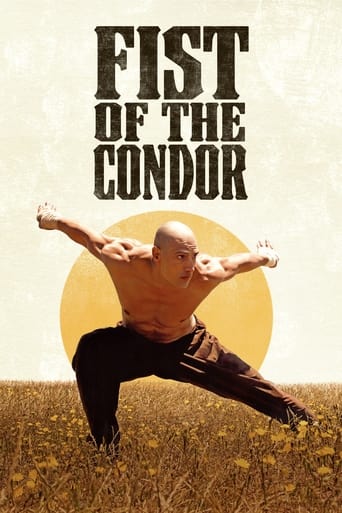 2023Film
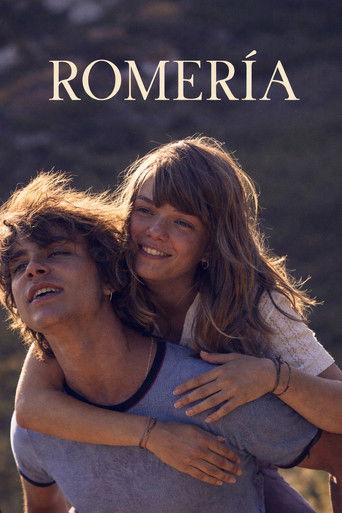 2025Film
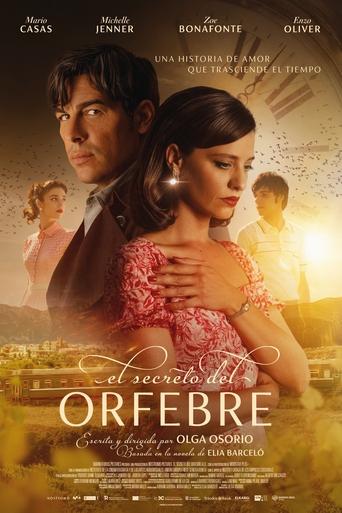 2025Film
 2023Film
 2024Film
Spain
More ›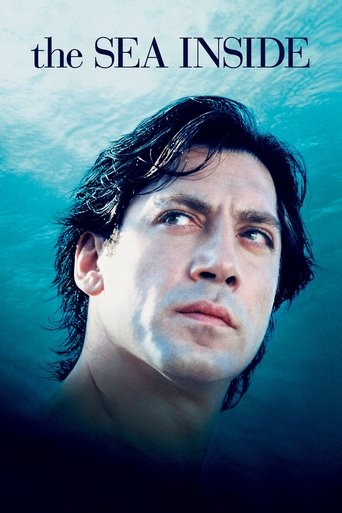 2004Film
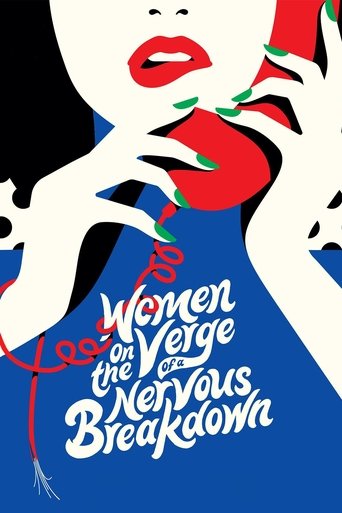 1988Film
 2016Film
 1995Film
 1963Film
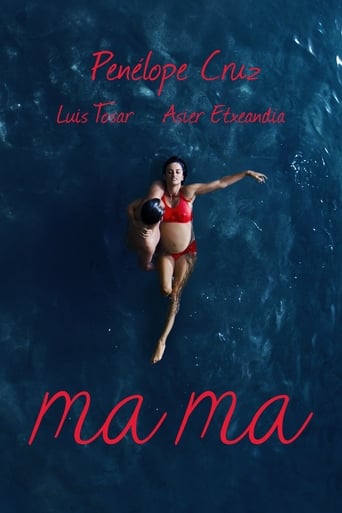 2015Film
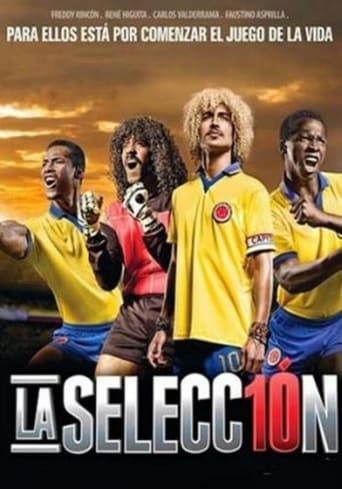 2013Series
Mexico
More ›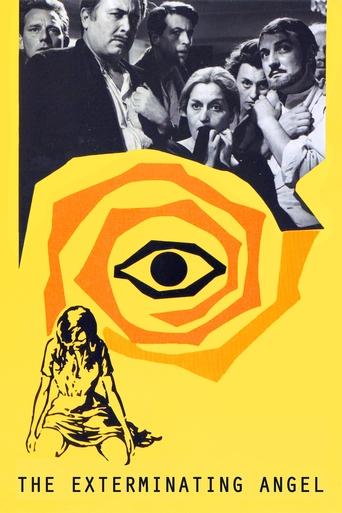 1962Film
 2008Film
 1968Film
 2004Film
 2002Series
 2022Series
 2018Film
Argentina
More › 2015Film
 2008Series
 1998Film
 2019Film
 2006Film
 2025Film
 1982Film
Latin America
More › 2019Series
 1991Series
 2019Series
 2011Series
 2012Series
 2022Series
 2024Series
Series
More ›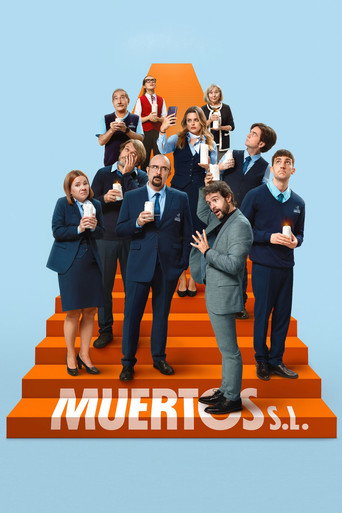 2024Series
 2022Series
 2019Series
 2023Series
 2022Series
 2025Series
 2007Series
Classics
More ›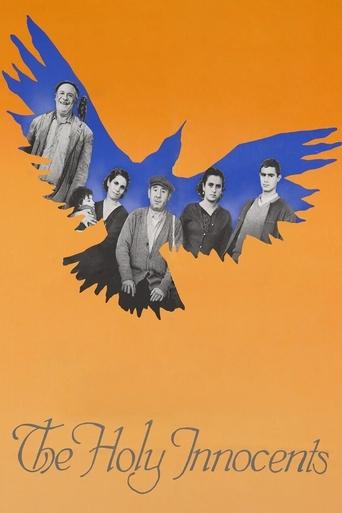 1984Film
 1984Film
 1981Film
 1968Film
 1987Film
 1951Film
 1953Film
Lists
All films 142All series 55Spain 81Mexico 56Argentina 42Latin America 42Comedy 82Drama 103Romance 20Adventure, history and music 34Before 1990 471990 to 2009 442010 to 2019 502020 onwards 56Top rated 43
The DescargatePelis guide to films and series in Spanish
DescargatePelis: films and series in Spanish, with The Exterminating Angel, The Sea Inside, The Holy Innocents, Embrace of the Serpent, Julieta, Los 80 and Escalona
Spanish is the mother tongue of nearly five hundred million people in more than twenty countries, and the films made in it come from two continents and a dozen national traditions. The studios of Mexico City in their golden age, the Spain of Buñuel, Berlanga and Almodóvar, the sharp and literate cinema of Buenos Aires, and the newer voices of Colombia, Chile and their neighbours all share one language and have very different things to say in it. DescargatePelis is a guide to 197 films and series from across that world, made between 1950 and 2026 and chosen so that a whole household can watch together. Each has a page with its story, cast and original title, and a Watch now button that leads to the official services carrying it.
The catalogue holds 142 films and 55 series. Eighty-one titles come from Spain, fifty-six from Mexico, forty-two from Argentina and forty-two from the rest of Latin America, with co-productions counted under each partner. This guide begins with a few sure first choices. It then travels country by country, turns to the four great directors, to comedy, music and the series, and closes with choices for younger viewers, a note for parents, an account of the search and My List, and a plan for a first fortnight.
What DescargatePelis is
DescargatePelis is a viewing guide, and its pages hold descriptions in place of video or files. For each title it gives a summary in English, the year, the running time or the number of episodes, the director, the leading cast and the Spanish title, which is the surest way to find a film abroad. The Watch now button opens JustWatch, an independent directory of official services, for the country you choose. JustWatch shows which subscriptions include the title and where it can be rented or bought, and each service lists the subtitles and soundtracks it offers. The how to watch page explains the steps.
The selection was made by hand from about 1,090 candidates. Every summary was read. Stories of crime and the drug trade, which fill so much of the current schedule, were set aside, together with films of the battlefield, horror, bawdy comedies, dramas made for adults and daily telenovelas. Many of the smaller films have only a handful of votes on the public database, which says more about their distribution than their quality.
Where to begin
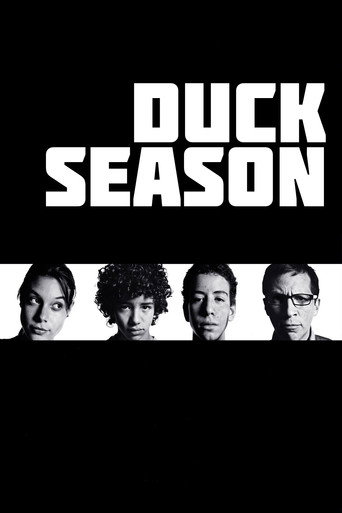
Begin with Duck Season. On a Sunday morning in a Mexico City tower block, two fourteen-year-old friends are left alone with video games, pizza money and a large bottle of cola. Then the electricity goes off. A neighbour of sixteen comes to borrow the oven to bake a cake, and a pizza delivery man refuses to leave until he is paid. Fernando Eimbcke filmed this, his first feature, in black and white on a tiny budget in 2004, and it is one of the gentlest and funniest films about being young and bored ever made. It won eleven of the Mexican academy's awards.
For a great performance, choose The Sea Inside. Ramón Sampedro, a ship's mechanic from Galicia, was left unable to move from the neck down by a diving accident at twenty-five, and spent nearly thirty years in bed writing poetry with a pen held in his mouth and arguing, with wit and stubbornness, for the right to decide his own fate. Alejandro Amenábar's film of 2004 has Javier Bardem as Ramón and a fine cast as the family and the two women who love him. It won the Academy Award for the best foreign-language film. The subject is a serious one, and the film treats it with warmth and even humour; it suits older viewers.
For a classic, there is The Exterminating Angel. After the opera, a wealthy couple give a dinner for twenty friends. The servants, for reasons that puzzle even them, all go home early. When the evening ends, the guests find that they are unable to leave the drawing room. The doors stand open, and still they stay. Days pass. Luis Buñuel made the film in Mexico in 1962, and its mysterious, mischievous idea has been borrowed by writers and composers ever since. It is a satire of manners that children of twelve find as fascinating as adults do.
And for a series, begin with Los 80. The Herreras are an ordinary family in Santiago de Chile: Juan works in a textile factory, Ana keeps the house and later a job of her own, and their children grow up between 1982 and 1989, through an economic crash, an earthquake and the slow return of democracy. It ran for seven seasons, held the whole country every Sunday night, and is as good a family drama as television has produced in any language.
Spain
Eighty-one titles come from Spain, and the Spain guide sets them in order. The most honoured of the dramas is The Holy Innocents, made by Mario Camus in 1984 from the novel by Miguel Delibes. On a great estate in Extremadura in the 1960s, Paco, his wife Régula and their children serve the landowner's family as their own parents did, and Paco's simple-minded brother-in-law Azarías keeps a tame jackdaw that he loves above everything. Alfredo Landa and Francisco Rabal shared the prize for best actor at Cannes. It is a film about dignity, told with great tenderness, and it is counted among the finest ever made in Spain.
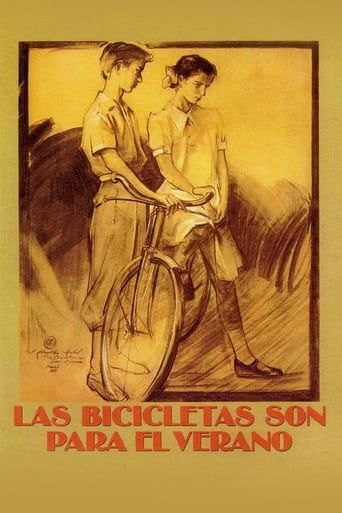
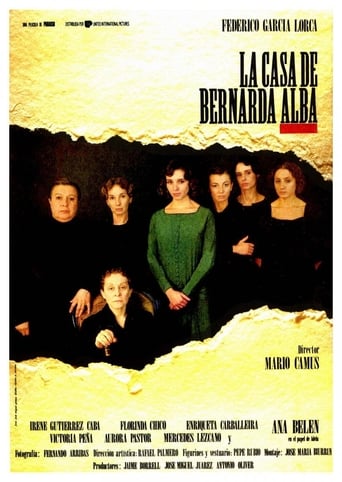
The same years produced several fine films from the stage and the novel. Bicycles Are for the Summer follows one Madrid family, the parents, a daughter who wants to act and a son who wants a bicycle, through the three summers of the Civil War, which is heard far more than it is seen; the film is about how ordinary life goes on. The House of Bernarda Alba is a faithful version of Federico García Lorca's last play, in which a widow imposes eight years of mourning on her five daughters, and The Bride, made in 2015, turns his Blood Wedding into a film of extraordinary images, shot among rock churches and salt flats. Half of Heaven is the story of a country girl who rises from a market stall to a fashionable restaurant in Madrid, watched over by a grandmother with second sight, and Gary Cooper, Who Art in Heaven, by Pilar Miró, follows a television director through three days in which she takes stock of her life.
José Luis Garci, the first Spanish director to win an Academy Award, is represented by two films a quarter of a century apart. Alone in the Small Hours has José Sacristán as the host of a late-night radio programme who speaks for a generation finding its feet in the new democracy, and Merry-Go-Round c. 1950 is a mosaic of Madrid lives in the lean years after the war, with dozens of the best character actors in the country. Love Can Seriously Damage Your Health begins on the night the Beatles played Madrid in 1965 and follows a couple who keep meeting, and keep quarrelling, for thirty years. Don Juan, My Dear Ghost brings the legendary seducer out of his tomb in Seville for his yearly night of freedom, on the evening an actor is rehearsing a musical about him.
The quieter Spanish cinema of the present is one of the pleasures of the catalogue. In The August Virgin a woman of thirty-three decides to spend August in Madrid, when everyone else has left for the coast, and treats her own city as a holiday; the film wanders with her through street festivals and chance conversations. Romería, by Carla Simón, sends a girl of eighteen to the Atlantic coast to meet the family of a father who died when she was small, with her mother's diary in her hand. 15 Years and One Day packs a difficult teenager off to his grandfather, a retired army officer, in a village by the sea. A Thief's Daughter stars a real father and daughter, Eduard and Greta Fernández, as a young mother and the parent she would rather keep at a distance, and Sica, Calladita, about a young Colombian working for a rich family on the Costa Brava, and The Shepherd, about a man who refuses to sell his land, are films of the same careful kind.
Recent popular films include The Goldsmith's Secret, a romance in two periods with Mario Casas and Michelle Jenner, Breaking Walls, a comedy set in Bilbao in 1989 in which a group of gruff fathers have to accompany their daughters' gymnastics team to a tournament in Berlin, The Talent, My Friend Eva, The Righteous, about a jury offered a fortune to change its verdict, and Después de Kim, in which two divorced parents travel from Buenos Aires to Spain and find a grandson. The Chess Player, ma ma, with Penélope Cruz as a mother facing illness with remarkable spirit, and They Are All Dead, about a rock singer of the 1980s who has stayed inside her house for years, come from the last decade.
Four masters
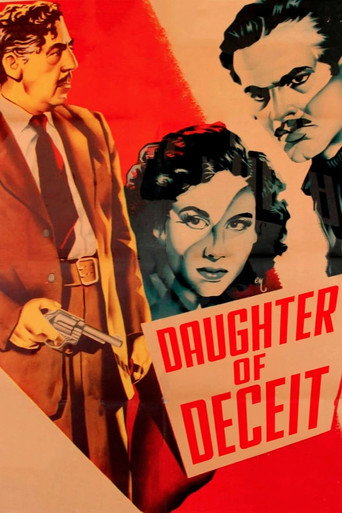
Four directors gave Spanish-language cinema its place in the world, and the masters guide lists their films in the catalogue. Luis Buñuel, born in Aragon, spent his most productive years in Mexico. Beside The Exterminating Angel there is Daughter of Deceit, a brisk comedy-melodrama of 1951 about a man who gives away his baby daughter in a fit of jealousy and spends twenty years regretting it. It shows the craftsman behind the surrealist: a studio assignment, shot in three weeks, and thoroughly enjoyable.
Luis García Berlanga was the great satirist of Spanish life. The Executioner, made in 1963, is his masterpiece. An undertaker's assistant falls in love with the daughter of the state executioner, an amiable old man near retirement. To keep the family's new flat, which goes with the post, the young man agrees to inherit the job, on the comfortable understanding that he will resign before he is ever called upon. The film is a comedy, and a very funny one, with a serious purpose that the censors of the day failed to notice in time. Thirty years later Berlanga made Everyone Off to Jail, a farce in which politicians, bankers and former prisoners gather for a commemorative dinner inside a working prison.
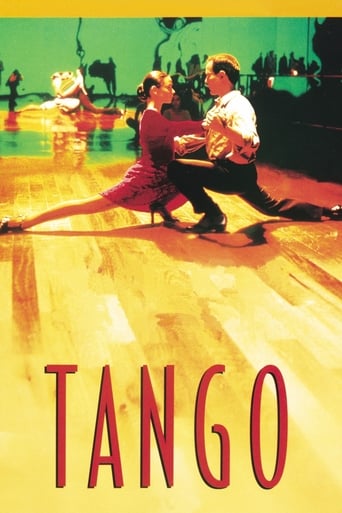
Carlos Saura began as a maker of veiled political fables. The Garden of Delights, from 1970, is one of the sharpest: the family of a tycoon who has lost his memory in a car accident re-enact scenes from his past in the hope that he will recall the number of his Swiss bank account. Later Saura turned to music and painting. Tango, photographed by Vittorio Storaro, is a film about a director making a dance show in Buenos Aires, and contains some of the most beautiful dance sequences ever filmed; Goya in Bordeaux imagines the old painter in exile, talking to his young daughter and walking through his own pictures.
Pedro Almodóvar is the best-known Spanish director alive. Women on the Verge of a Nervous Breakdown, from 1988, made his name abroad: Pepa, an actress who dubs films, has been left by her lover and spends two frantic days trying to reach him by telephone, while her flat fills with unexpected visitors and a jug of gazpacho waits in the refrigerator. It is a farce in the colours of a sweet shop. The Flower of My Secret is about a writer of romantic novels who has come to dread writing them, and Julieta, drawn from stories by Alice Munro, follows a mother over thirty years as she tries to understand why her daughter walked out of her life. The three films show a comic talent deepening into one of the finest dramatic ones in Europe.
Mexico
Fifty-six titles come from Mexico, and the Mexico guide arranges them by period. From the 1930s to the 1950s Mexico had the largest film industry in the Spanish-speaking world, and its stars were adored from Los Angeles to Buenos Aires. The earliest films in the catalogue belong to the end of that golden age: Yo quiero ser mala, a romantic comedy of 1950, Todos son mis hijos!..., a family melodrama about a good son and a bad one, and Entre abogados te veas, whose title is an old proverb about the misfortune of falling among lawyers. The Proud and the Beautiful is a French production filmed in the port of Alvarado in 1953, with Michèle Morgan and Gérard Philipe as two strangers stranded there, from a story by Jean-Paul Sartre.
Comedy was the heart of the industry. Cantinflas, the little man in the drooping trousers whose torrents of polite nonsense gave the Spanish language a new verb, is here in Por mis pistolas, as a village pharmacist who rides north to claim an old family silver mine in Arizona. Germán Valdés, known as Tin Tan, plays the wandering rogue of a famous novel in The Adventures of Pito Pérez, and the same book was filmed again in 1970 as The Useless Life of Pito Pérez with the great stage actor Ignacio López Tarso. The double act of Viruta and Capulina join the Foreign Legion in Los legionarios, and Roberto Gómez Bolaños, the Chespirito of children's television, wrote, directed and starred in Don Ratón y Don Ratero, as a tap-dancing pest controller mistaken for a gunman in the Mexico of the 1920s.
Song was the other pillar. Vicente Fernández, the greatest ranchera singer of his time, made some thirty films, and two are here: Juan Armenta El Repatriado, in which a farm worker returns from the United States to troubles at home, and Por Tu Maldito Amor, named after one of his most famous songs. Fallaste corazón stars the composer Cuco Sánchez, and María is a handsome film of the most popular Latin American novel of the nineteenth century, with Taryn Power, daughter of the Hollywood star Tyrone Power, as the heroine. The child singer Pedro Fernández, known to a whole generation as Pedrito, appears in Mama Solita, Street Wise and El ganador, and the rock star Gloria Trevi plays a version of herself in Pelo suelto, on her way from a Monterrey bar to the capital.
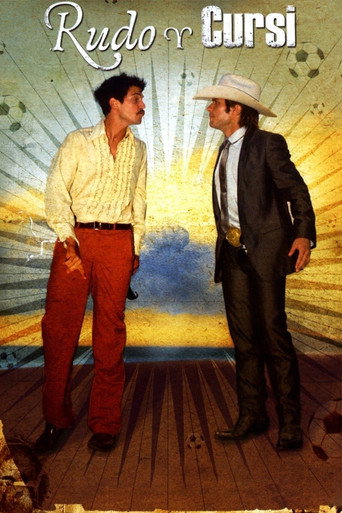
The new Mexican cinema of the 1990s began with films like Danzón, directed by María Novaro. Julia, a telephone operator in Mexico City, lives for the evenings at the dance hall where she and her partner Carmelo have danced the danzón for years. When he fails to appear, she takes the train to Veracruz to look for him, and finds a good deal else. It is a film in love with music, with the port and with its heroine. Rudo & Cursi reunited Gael García Bernal and Diego Luna as two half-brothers from a banana plantation who become rival football stars, one a goalkeeper with a temper, the other a striker who would rather be a singer; it is loud, fast and very funny. Goodbye Mom, Inspiration, El Mago, Café Paraíso, The Hamsters, a comedy about a family in Tijuana each of whom is hiding something, and Find a Boyfriend for My Wife... PLEASE! are other films of these years.
Some of the most interesting recent Mexican films look at the country's first peoples and its past. Eréndira the Untamable retells, in the Purépecha language and with masks and painted bodies taken from old codices, the legend of a girl who learned to ride the invaders' horses. The Load sets a noblewoman and a porter on a journey through the forests of the sixteenth century. Guie’dani’s Navel follows a Zapotec girl who moves with her mother to a house in Mexico City, and My Universe in Lowercase a young woman from Barcelona searching the same vast city for her father. Bayonet takes a retired boxer from Tijuana to the snow of Finland, X500 links three young migrants in three countries, and Me vuelves loca is a comedy about beginning again. Fernando Eimbcke, twenty-two years after Duck Season, returned in 2026 with Flies, about a solitary woman, a lodger and the small boy he smuggles into her flat.
Argentina
Forty-two titles come from Argentina, and the Argentina guide introduces them. Leopoldo Torre Nilsson was the first Argentine director to be noticed in Europe. La caída, made in 1959 from a novel by Beatriz Guido, places a student in a house where four children run wild around their bedridden mother, and Martín Fierro, a decade later, films the national epic, the poem of a gaucho pressed into service on the frontier, with the great stage actor Alfredo Alcón. El crack is an early and clear-eyed film about the business of football.
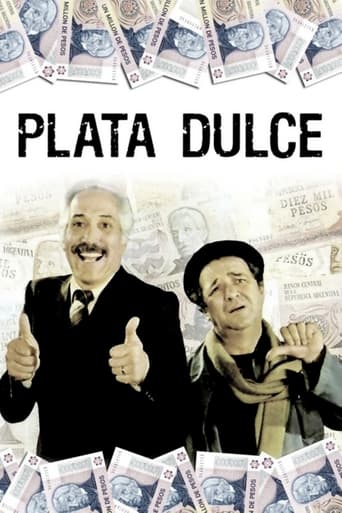
The theatre has always fed the cinema of Buenos Aires. The Slowness, from a hit play, is about an office worker who wakes one Monday and decides, simply, to stay in bed, to the consternation of his wife, his mother and his firm. El habilitado watches five shop assistants in the basement of a department store, and Sweet Money, made in 1982, is a satire that every Argentine knows: two partners in a small bathroom-cabinet factory are tempted into the world of finance during a boom built on borrowed money, with Federico Luppi as the one who believes it will last. The popular comedians Jorge Porcel and Alberto Olmedo are here in El gordo de América and Los extraterrestres, a family comedy about two waiters and a small visitor from space, and Mingo y Aníbal en la mansión embrujada sends two gardeners from a television sketch into a house said to be haunted.
Since 2000 Argentina has had the most consistently interesting film industry in the language. The Last Elvis is about a factory worker who believes, quietly and completely, that he is the heir of Elvis Presley, and it is sung by its star, a real tribute artist, with a voice that makes the belief understandable. Joel, by Carlos Sorín, follows a couple in a small town in Tierra del Fuego who adopt a boy of nine and learn how a community treats a newcomer. The Queen of Fear won its director and star an acting prize at Sundance for her portrait of an actress in a spin before a first night. Elena Knows, from the novel by Claudia Piñeiro, is the journey of a mother with Parkinson's disease across Buenos Aires in a single day, and The Woman in the Line stars Natalia Oreiro in a true story of a mother who becomes a campaigner.
Lighter films include The Finger, a comic fable about a village election, Arcibel's Game, in which a chess columnist invents a board game with unexpected consequences, Zenitram, about a rubbish collector with superpowers, Choele, a summer on a Patagonian river seen by a boy of eleven, Pinamar, Badur Hogar, a romance set in a furniture shop in Salta, Clubbing, El día que me amen, A Less Bad World, Días de mayo, The Assistant and A Time for Bravery, a comedy that pairs a psychoanalyst with a policeman. Aniceto, the last film of the director Leonardo Favio, tells a village love story entirely through ballet.
The rest of Latin America
Forty-two titles come from a dozen other countries, and the Latin America guide maps them. The best known is Embrace of the Serpent, from Colombia. Karamakate, a shaman of the Amazon and the last of his people, guides two scientists up the river forty years apart, a German in 1909 and an American in 1940, each in search of a sacred healing plant. Ciro Guerra filmed it in luminous black and white, in several indigenous languages, and it was nominated for an Academy Award. It is slow, strange and unforgettable, and best for viewers of fourteen and over. Colombia also contributes García, a comedy-thriller about a security guard, Between Sea and Land, the story of a young man confined to bed in a house on stilts and the mother who cares for him, which won two prizes at Sundance, Wandering Girl, a road film of four sisters, and The Trip 8, the latest in the country's favourite series of holiday comedies.
From Chile come A Long Journey, a classic of 1967 in which a small boy crosses Santiago carrying the paper wings made for his baby brother, Too Late to Die Young, set in a community in the hills during the first summer of democracy, Cuerpo Celeste, Oblivion Verses, a poetic tale of an old caretaker, The Memory of Water and Fist of the Condor, a martial arts adventure with the stunt star Marko Zaror. Uruguay offers Mr. Kaplan, a delightful comedy about a retired man of seventy-six who convinces himself that an elderly German on the beach is a fugitive from justice and sets out to capture him, and The Employer and the Employee.
The smaller industries are represented by films that made history at home. Lucía, from Cuba, tells the stories of three women of that name in 1895, 1932 and the 1960s, and is one of the landmarks of Latin American cinema. Chuquiago, from Bolivia, descends through the city of La Paz from the Aymara districts on the heights to the wealthy suburbs below in four linked stories. La Yuma, about a girl from the poor quarters of Managua who wants to box, was the first feature made in Nicaragua in twenty years, and Daughter of Rage followed it. The Gold Seekers, from Paraguay, sends a newspaper boy and his friends after a treasure buried in the nineteenth century, with a map in the Guaraní language; it is the best family adventure in the catalogue. Puro Mula comes from Guatemala, Land of Ashes from Costa Rica, Larco Ave.: The Movie, a rock musical, from Peru, On the Line from Ecuador, and Casi casi and The Fishbowl from Puerto Rico.
Comedy
Eighty-two titles are comedies, and the comedy guide sorts them. Beside the classic clowns of Mexico and Argentina, Spain has a strong comic tradition of its own. Soccer Days gathers a group of friends in their thirties, each with a life going nowhere, who decide on the advice of one of their number to enter a seven-a-side football league; it was the surprise hit of 2003. To Hell With The Ugly is set in a village in the Pyrenees, where a shy farmer with a limp and his newly separated sister-in-law discover each other, with Javier Cámara and Carmen Machi. A Gun in Each Hand is a set of sharp two-handed scenes about men in their forties, played by the best actors in the language, and From Good to the Hood sends a businessman who has fiddled his taxes to live among the people he looked down on. Goodbye from the Heart, The Crows are Grieving, a black comedy of a family gathered round a deathbed that turns out to be premature, and The Long Awaited Desperate Love complete the list of films.
Music and dance
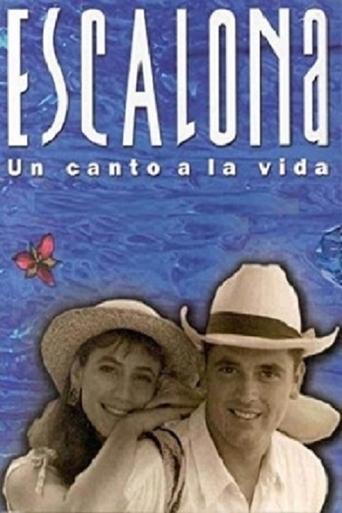
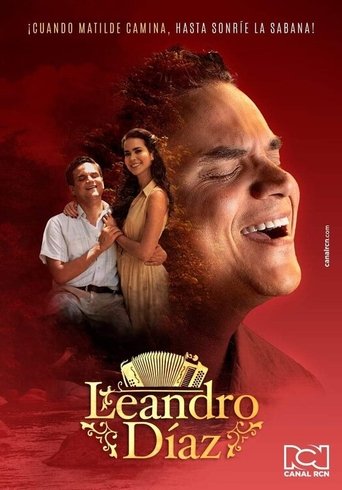
The music guide gathers the films and series in which song and dance lead. Beside Tango and Danzón, El golfo pairs the Spanish singer Raphael with the American star Shirley Jones in Acapulco, and Queen of the Chantecler gave Sara Montiel, the most glamorous Spanish star of her day, a music-hall story with a dozen songs. Colombia has turned the lives of its musicians into some of its best-loved television. Escalona, made in 1991, told the life of the vallenato composer Rafael Escalona and launched its young star, Carlos Vives, on a career that carried that music around the world. El Joe: La leyenda follows the salsa singer Joe Arroyo from Cartagena to fame, and Leandro Díaz the blind composer who wrote some of the best-known songs of the Caribbean coast. From Spain, La canción recounts the comic and improbable story of how the country set out to win the Eurovision Song Contest in 1968, and did.
The series
Fifty-five series are in the catalogue, with 3,412 episodes between them, and the series guide gives the length of each. Spanish television comedy is represented by two much-loved long runners. Farmacia de guardia, which began in 1991, is set in a neighbourhood chemist's shop run by a separated mother of three, with her former husband forever dropping in; its final episode drew one of the largest audiences in the history of Spanish television. 7 vidas, which followed in 1999 and ran for over two hundred episodes, begins when a man wakes from sixteen years in a coma and has to catch up with his family and his country. It was recorded before a live audience and trained a generation of actors. La Hora Chanante and Muchachada Nui are sketch programmes in a surreal style that became a cult, and Vaya Semanita is the Basque Country laughing at itself.
More recent Spanish series are short and varied. Death Inc. is a workplace comedy set in a funeral business. Doctor Portuondo recalls a young man's sessions with an explosive Cuban psychoanalyst, and Foodie Love, by the director Isabel Coixet, follows two people who meet through an app for lovers of good food. The Law of the Sea dramatises in three episodes the true story of a fishing boat from Alicante whose crew took fifty-one people aboard from a drifting skiff in 2006 and then waited for days while governments argued. The Big Leap is the life of the gymnast Gervasio Deferr, Our Only Chance stars the singer Aitana as a young woman with a voice and a day job, and García!, If Only, Fleeting Lies, Punto Nemo, The Map of Longing, Conquistadores: Adventum and Ayla and The Mirrors, a musical drama for young viewers, cover adventure, fantasy and romance.
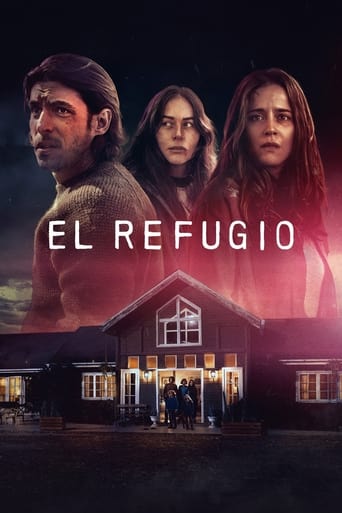
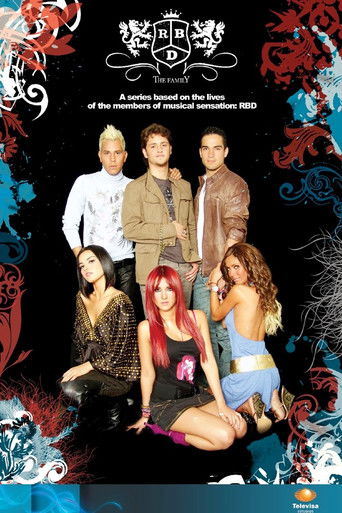
Mexican television comedy has its own classics. Cero en conducta sets grown comedians in short trousers at the back of a schoolroom, and XHDRBZ is the sketch show of Eugenio Derbez, the most popular Mexican comic of recent decades. As the Saying Goes has run since 2011: each episode, told from a neighbourhood cafe, illustrates a proverb with a story from everyday life. Blue Demon dramatises the life of the masked wrestler who became a film star, and Against the Ropes is about a mother who enters the ring to win back her daughter's respect. ¿Es neta, Eva?, Riquísimos... Por Cierto, Profe Infiltrado, Dra. Lucía: Un Don Extraordinario, Boundless Love, Enloqueciendo contigo, RBD: The Family, El Refugio and Futuro desierto, a science fiction series about a robotics engineer, are other Mexican titles.
From Colombia come Bolívar, a sixty-part life of the liberator of five nations, Football Dreams, about the national team that enchanted the world in the early 1990s, Big Steps, the true story of a shoeshine man elected to the city council of Bogotá, The Hijacking of Flight 601, based on a real event of 1973 and told from the point of view of two flight attendants, The Influencer, The Price of Glory, KLASS 95: The Power of Beauty and Francisco el Matemático: Clase 2017, about a teacher who gives lessons in more than mathematics. Chile adds El Reemplazante, in which a disgraced financier becomes a substitute teacher at a school on the edge of Santiago and discovers a vocation. Argentina contributes The Nanny, a local version of the American comedy, the teenage series Consentidos, LIMBO... Until I Decide, The Stolen Cup, The Best Heart Attack of My Life and Spartans: A True Story, about a lawyer who founds a rugby team behind bars. Líos de Familia comes from the Dominican Republic and La suerte de Loli from the Spanish-language studios of the United States.
Actors worth following
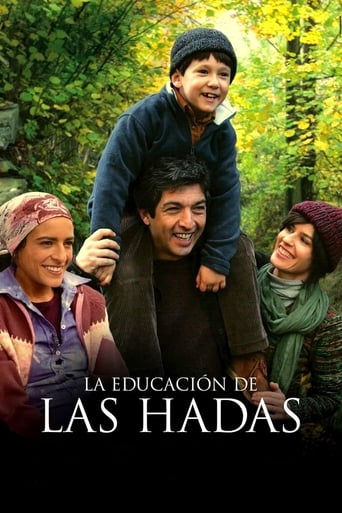
The search field accepts the names of actors, and a few of them are a reliable guide to quality. Ricardo Darín, the best-loved Argentine actor of his generation, appears in The Education of Fairies and A Gun in Each Hand, and where he goes good scripts tend to follow. Javier Cámara, a face of gentle comedy in Spain, is in To Hell With The Ugly and began his career in 7 vidas. Luis Tosar, one of the most powerful Spanish actors, is in ma ma, A Gun in Each Hand and The Law of the Sea. Elena Anaya leads They Are All Dead, The Memory of Water and Fleeting Lies, and Carmen Machi, a great comedienne, To Hell With The Ugly and The Righteous. Ángela Molina, who began with Buñuel, carries Half of Heaven and El baile de las ánimas.
In Mexico, Silvia Pinal, the star of The Exterminating Angel and The Crows are Grieving, was a leading lady for half a century. Tenoch Huerta, known abroad from Hollywood adventures, can be seen young in Café Paraíso and as the wrestler of Blue Demon. Luis Gerardo Méndez leads Bayonet and A Time for Bravery, and Arath de la Torre Inspiration and Find a Boyfriend for My Wife... PLEASE!. Darío Grandinetti, an Argentine actor who has worked often in Spain, links Arcibel's Game, Días de mayo and Después de Kim, and the Chilean Héctor Noguera gives Mr. Kaplan its stubborn charm.
True stories
A good number of titles are drawn from life. The Sea Inside follows the case of Ramón Sampedro closely, and The Woman in the Line the story of Andrea Casamento, who founded an association for the families of prisoners in Argentina. The Law of the Sea reconstructs the week the trawler Francisco y Catalina spent off Malta in 2006. The Hijacking of Flight 601 goes back to the longest aerial hijacking in the history of Latin America, in 1973, and Spartans: A True Story to a rugby team founded in a prison near Buenos Aires that became a model studied abroad. The Big Leap is told with the gymnast Gervasio Deferr's own account of his victories and his difficult years after them.
The lives of artists make another group. Goya in Bordeaux is Saura's portrait of the painter, and the Colombian music series Escalona, El Joe: La leyenda and Leandro Díaz are biographies set to their subjects' own songs. Big Steps is the real career of Luis Eduardo Díaz, who shined shoes outside the council chamber in Bogotá before he was elected to sit in it. Football Dreams follows four members of the Colombian national side, Blue Demon the wrestler Alejandro Muñoz, and Bolívar the man who led five countries to independence, from his childhood in Caracas onward. Conquistadores: Adventum covers the first thirty years after the voyage of Columbus from the chronicles of the time, and La canción the summer when a television executive had three weeks to find a singer for Eurovision.
Football, boxing and other games
Sport runs through the catalogue, as it does through the life of the countries concerned. Football comes first: Rudo & Cursi, Soccer Days, El crack, Football Dreams and The Stolen Cup, a comedy series in which a furious supporter and his friends decide to make off with the World Cup trophy itself. In ma ma the heroine's son is a promising young player, and a talent scout from a famous Madrid club changes both their lives. Boxing provides La Yuma and Bayonet, and Our Only Chance has a boxer for its hero. Wrestling in masks, the lucha libre that is a Mexican passion, is the world of Blue Demon, Against the Ropes and Marvel Lucha Libre Edition: El origen de la máscara. Amor Xtremo follows two brothers to a motocross championship, Breaking Walls a team of young gymnasts, and The Chess Player and Arcibel's Game turn on the oldest board game of all. Even Berlanga's bureaucrats and Buñuel's dinner guests are players of a kind, bound by rules they have forgotten they invented.
Dramas of family and growing up
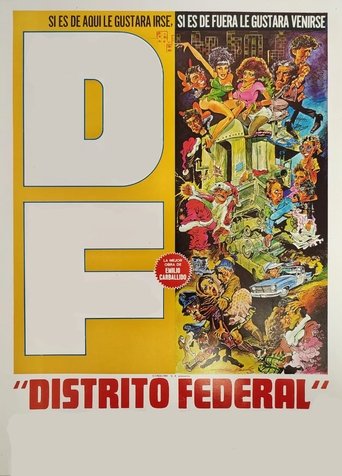
One hundred and three titles are listed as drama, and the drama guide groups them by theme. Many of the best are about the young. Beside Duck Season, Choele and Romería, the catalogue has Berta's Motives, the first film of the Catalan director José Luis Guerín, a study in black and white of a girl on the Castilian plain, El baile de las ánimas, set in Galicia in the 1940s, More Than Anything in the World, which sees a mother's troubles through the eyes of her seven-year-old daughter, and Story of a Girl Alone. The Education of Fairies stars Ricardo Darín as a toy inventor and stepfather, Arraianos is a portrait of a village on the border between Galicia and Portugal, and Mañana..., from 1957, is one of the first independent films made in Barcelona. D.F./Distrito Federal offers six stories of the Mexican capital, and Natacha is a Peruvian story of a provincial girl in Lima.
Before 1990
Forty-seven films date from before 1990, and the classics guide walks through them decade by decade. They include the last productions of the Mexican golden age, the first films of the new cinemas of Argentina, Chile, Cuba and Bolivia in the 1960s, the coded Spanish films of the last years of the dictatorship, and the confident literary adaptations of the 1980s. The Adventures of Scaramouche, a French and Spanish swashbuckler of 1963, belongs to them as well. Forty-four titles fall between 1990 and 2009, fifty between 2010 and 2019, and fifty-six have appeared since 2020; the recent guide keeps that last list current.
One language, many accents
A newcomer will soon notice that the Spanish of Madrid, Mexico City and Buenos Aires differ about as much as the English of London, Texas and Sydney. Argentines say vos where Spaniards say tú, Mexicans have a rich store of words from Nahuatl, and the Caribbean coast of Colombia speaks at a speed all its own. Official services generally offer the original soundtrack with subtitles in English and Spanish, and reading the Spanish while hearing it is a proven way to tune the ear. For learners, the family series are ideal, since the speech is everyday and the stories are clear: Los 80 for Chile, 7 vidas for Spain, As the Saying Goes for Mexico. Each title page shows the country of production, so a student preparing for a journey can choose the right accent.
Some films use other languages of the Spanish-speaking world. Embrace of the Serpent is spoken largely in Cubeo, Wanano and other tongues of the Amazon, Eréndira the Untamable in Purépecha, Guie’dani’s Navel partly in Zapotec, The Gold Seekers partly in Guaraní, and Arraianos in Galician. They are a reminder of how much of the continent's life is lived beside Spanish as well as in it.
Choices for younger viewers
The family viewing guide arranges the catalogue by age. For children from about eight, The Gold Seekers is the first choice, followed by the comedies of Cantinflas, Capulina and Chespirito and the films of Pedro Fernández. From eleven, Duck Season, Choele, Casi casi, a school comedy about a boy who runs for class president, and the football series suit well. Teenagers will enjoy Rudo & Cursi, Soccer Days, Ayla and The Mirrors and the music series, and older ones are ready for the great classics. Parents who watch with their children will find that The Executioner and The Exterminating Angel start very good conversations.
A note for parents
Every summary was read by hand before a title was admitted. The comedies are of the family kind, though a few of the Spanish ones are talkative about adult life. Several classics are set against hard periods of history, among them Bicycles Are for the Summer, Merry-Go-Round c. 1950 and Los 80, and they treat those periods through the daily life of families. A number of dramas deal with illness, among them The Sea Inside, ma ma, Elena Knows and The Fishbowl, and those are films for older viewers. Each title page shows the certificate where one is recorded.
Search, lists and My List
The search field in the top bar looks through English titles, Spanish titles, directors and cast as you type. Try a name such as Saura, Darín or Carmen Machi. The strip of letters on the home page leads into the A to Z index, and fifteen lists arrange the catalogue by country, by kind and by period; the finding titles page describes each of them.
Any title can be put aside for later with the Add to My List button on its page. DescargatePelis keeps that list inside your own browser, on the phone or computer in front of you, which means it is ready at once and stays your own business; the My List page explains how to write it out to a file and bring it back on a second device.
The top rated list
Forty-three titles have a score of 7 or more from at least twenty voters. The films among them include The Exterminating Angel, The Holy Innocents, Embrace of the Serpent, The Executioner, The Sea Inside, Women on the Verge of a Nervous Breakdown, Por mis pistolas, Rudo & Cursi and Duck Season, and the series include Los 80, Escalona, Bolívar, El Reemplazante and XHDRBZ. It is a dependable list for an evening when you would rather be told what is good than browse.
A first fortnight
Here is one way through two weeks with DescargatePelis. On the first evening, Duck Season. On the second, Women on the Verge of a Nervous Breakdown, and on the third The Exterminating Angel. Give the fourth to Cantinflas in Por mis pistolas and the fifth to The Holy Innocents. On the sixth, watch Danzón, and on the seventh begin Los 80, which will last you a season. In the second week, try The Executioner, Rudo & Cursi, The Last Elvis, The Gold Seekers with the children, Tango for the dancing, Mr. Kaplan for a laugh, and finish with Embrace of the Serpent. By then you will have visited seven countries, heard as many accents, and met the four masters, and DescargatePelis will have more than 180 titles still waiting.
Questions and answers
Questions
What is DescargatePelis?
DescargatePelis is a guide to 197 films and series in Spanish, 1950 to 2026, chosen for family viewing and described in English.
Which title should I watch first?
Start with Duck Season for comedy, The Sea Inside for drama, The Exterminating Angel for a classic or Los 80 for a series.
Is the catalogue suitable for families?
Yes. Every summary was read by hand, and crime and narco stories, films of the battlefield, horror, bawdy comedies and adult dramas were set aside.
Which countries are covered?
Spain with 81 titles, Mexico with 56, Argentina with 42, and Colombia, Chile, Uruguay, Cuba, Bolivia and others with 42, counting co-productions under each partner.
Are the films subtitled in English?
DescargatePelis is a guide, and each Watch now button opens JustWatch, where every listed service shows the subtitles and soundtracks it offers in your country.
Which series are the best known?
Los 80, 7 vidas, Farmacia de guardia, Escalona, Bolívar, Football Dreams and As the Saying Goes.
How does My List work?
Press Add to My List on any title page. The list is kept by the browser on this device, and the list page can write it to a file.
Can I download films from DescargatePelis?
DescargatePelis is a guide only and hosts neither video nor files. Every Watch now button opens JustWatch, which lists the official streaming, rental and purchase services for your country.
